Links
Life events
Wikipedia ↗
Wikipedia ↗
Wikipedia ↗
Wikipedia ↗
Wikipedia ↗
Wikipedia ↗
Wikipedia ↗
Wikipedia ↗
Wikipedia ↗
Article
Life Summary
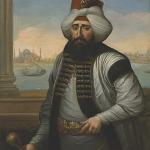
Ahmed III was born on December 30, 1673, in Dobruja, Ottoman Empire, the son of Sultan Mehmed IV. He ascended to the throne on August 22, 1703, following the deposition of his brother Mustafa II. His early reign was marked by efforts to stabilize the empire after a period of turmoil, including the Edirne Incident. Ahmed III is best remembered for the Tulip Era (Lâle Devri), a period of relative peace and cultural renaissance in the Ottoman Empire, characterized by artistic patronage, architectural projects, and the introduction of European influences. However, his reign ended in rebellion; the Patrona Halil uprising in 1730 led to his deposition on October 1, 1730. He spent his final years in confinement and died on July 1, 1736, in Istanbul.
Historical Context
Ahmed III’s reign occurred during a transformative period for the Ottoman Empire. The empire had recently emerged from a series of military defeats and internal strife, including the loss of Hungary to the Habsburgs in the Treaty of Karlowitz (1699). The Tulip Era, named for the elite’s fascination with the flower, reflected a shift toward cultural and intellectual engagement with Europe, particularly France. This period saw the adoption of Western art, fashion, and technology, as well as the establishment of the first Ottoman printing press. However, the empire’s military weaknesses and economic struggles persisted, culminating in the Patrona Halil rebellion, which highlighted public discontent with perceived extravagance and foreign influence. Ahmed III’s reign underscores the tensions between tradition and modernization in the Ottoman Empire during the 18th century.
Beliefs
Ahmed III was a devout Sunni Muslim and adhered to the traditional Islamic principles of governance. He supported religious institutions, including mosques and madrasas, and maintained the empire’s Islamic identity. However, his openness to European culture and technology during the Tulip Era demonstrated a pragmatic approach to governance, balancing religious conservatism with a willingness to embrace innovation. His patronage of the arts and sciences reflected a belief in the importance of cultural advancement alongside religious and political stability.
Key Achievements
- Tulip Era (1718–1730): Presided over a period of cultural and artistic flourishing, introducing European influences and fostering intellectual exchange.
- Military Reforms: Attempted to modernize the Ottoman military, including the establishment of a new artillery corps and efforts to improve naval capabilities.
- Architectural Projects: Commissioned significant buildings, such as the Ahmed III Fountain in Istanbul and the reconstruction of the Topkapı Palace gardens.
- Diplomatic Relations: Strengthened ties with European powers, including France, through treaties and cultural exchanges.
- Printing Press: Oversaw the introduction of the first Ottoman Turkish printing press in 1727, promoting literacy and the dissemination of knowledge.
- Economic Policies: Implemented reforms to stabilize the economy, including efforts to reduce corruption and improve tax collection.
- Cultural Patronage: Supported poets, artists, and scholars, contributing to a renaissance in Ottoman literature and art.
- Peace of Passarowitz (1718): Negotiated a treaty with Austria and Venice, securing territorial gains and a period of relative peace.