Links
Life events
Wikipedia ↗
Wikipedia ↗
Wikipedia ↗
Wikipedia ↗
Wikipedia ↗
Wikipedia ↗
Wikipedia ↗
Article
Life Summary
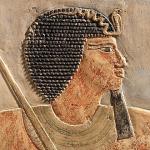
Amenemhat I, also known as Amenemhet I or Sehetepibre, was the first pharaoh of the Twelfth Dynasty of ancient Egypt. He ruled from approximately 1991 BCE to 1962 BCE. Born into a non-royal family, Amenemhat I rose to power following the chaotic First Intermediate Period. His early life is not well-documented, but he likely served in a high administrative or military position before seizing the throne. He established a new capital at Itjtawy, near the Faiyum, which became a significant political and cultural center. Amenemhat I was assassinated in a palace conspiracy, an event later dramatized in the literary work "The Instructions of Amenemhat."
Historical Context
Amenemhat I’s reign marked the beginning of the Middle Kingdom period, a time of reunification and stability after the decentralized and turbulent First Intermediate Period. Egypt had been divided between regional rulers, and Amenemhat I’s rise to power symbolized the restoration of centralized authority. His reign laid the foundation for the Twelfth Dynasty, often regarded as the golden age of the Middle Kingdom, characterized by economic prosperity, military expansion, and cultural flourishing. His policies strengthened Egypt’s borders, improved infrastructure, and centralized governance, setting a precedent for future pharaohs.
Beliefs
Amenemhat I, like other pharaohs, was considered a divine ruler, the intermediary between the gods and the people. He promoted the worship of Amun, elevating the god’s status in the Egyptian pantheon. His reign also saw a resurgence in traditional Egyptian religious practices and the construction of temples dedicated to various deities. The "Instructions of Amenemhat," attributed to him posthumously, reflects his belief in ma'at (cosmic order, truth, and justice), emphasizing the importance of wisdom, loyalty, and vigilance in governance.
Key Achievements
- Reunification of Egypt: Ended the First Intermediate Period by consolidating power and reunifying Upper and Lower Egypt under a centralized government.
- Establishment of Itjtawy: Founded a new capital at Itjtawy, strategically located near the Faiyum, which became a political and economic hub.
- Military Campaigns: Secured Egypt’s borders by conducting military campaigns in Nubia and Libya, expanding Egyptian influence and ensuring stability.
- Administrative Reforms: Reorganized the administrative system, appointing loyal officials to key positions and reducing the power of regional governors (nomarchs).
- Construction Projects: Initiated large-scale building projects, including temples, fortresses, and irrigation systems, which boosted the economy and infrastructure.
- Literary Legacy: His reign inspired "The Instructions of Amenemhat," a didactic text offering advice on leadership and governance, which became a classic of Egyptian literature.
- Economic Revival: Promoted trade and agriculture, revitalizing Egypt’s economy after the First Intermediate Period.
- Dynastic Succession: Established a co-regency system with his son Senusret I, ensuring a smooth transition of power and dynastic stability.