Links
Life events
Wikipedia ↗
Wikipedia ↗
Wikipedia ↗
Wikipedia ↗
Wikipedia ↗
Wikipedia ↗
Wikipedia ↗
Wikipedia ↗
Wikipedia ↗
Article
Life Summary
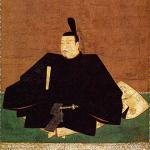
Ashikaga Takauji was born on August 18, 1305, into the prestigious Ashikaga clan, a branch of the Minamoto family. He began his military career as a loyal general under the Kamakura shogunate, which ruled Japan at the time. However, in 1333, he switched allegiance to Emperor Go-Daigo during the Genkō War, helping to overthrow the Kamakura shogunate and restore imperial rule in what became known as the Kenmu Restoration. Despite his initial support for the emperor, Takauji soon clashed with Go-Daigo over political and administrative control. In 1336, he defeated imperial forces at the Battle of Minatogawa and installed a rival emperor, Kōmyō, in Kyoto, effectively splitting the imperial line into two competing courts: the Northern Court (backed by Takauji) and the Southern Court (loyal to Go-Daigo). In 1338, Takauji was appointed shogun by the Northern Court, establishing the Ashikaga shogunate, which would rule Japan for over two centuries. He spent the remainder of his life consolidating power and suppressing opposition, particularly from the Southern Court. Ashikaga Takauji died on June 7, 1358, leaving behind a legacy as one of Japan’s most pivotal and controversial military leaders.
Historical Context
Ashikaga Takauji emerged during a period of profound transition in Japanese history. The Kamakura shogunate (1185–1333) had ruled Japan for over a century, but its power was weakened by internal strife, economic troubles, and the failed Mongol invasions of the late 13th century. Emperor Go-Daigo sought to capitalize on this weakness by attempting to restore direct imperial rule, leading to the Kenmu Restoration (1333–1336). However, the restoration failed due to administrative inefficiency and the emperor’s inability to reward his samurai supporters adequately. Takauji, initially a key ally of Go-Daigo, became disillusioned with the emperor’s rule and sought to establish a new military government. His actions led to the creation of the Ashikaga shogunate (1336–1573), also known as the Muromachi shogunate, which would shape Japan’s political and cultural landscape for centuries. The era was marked by the rise of the daimyo (feudal lords), the flourishing of Zen Buddhism, and the development of distinctively Japanese art forms such as Noh theater and ink painting. Takauji’s establishment of the shogunate also prolonged the Nanboku-chō period (1336–1392), during which Japan was divided between two rival imperial courts, a conflict that would not be resolved until the reign of his grandson, Ashikaga Yoshimitsu.
Beliefs
Ashikaga Takauji was a pragmatic and opportunistic leader whose actions were primarily driven by political and military expediency rather than ideological or religious convictions. However, his reign reflected several key beliefs and values:
- Loyalty to the Shogunate System: Takauji believed in the necessity of a military government (bakufu) to maintain order in Japan, even if it meant sidelining the imperial court. His establishment of the Ashikaga shogunate demonstrated his commitment to this system.
- Zen Buddhism: Takauji, like many samurai of his time, was influenced by Zen Buddhism, which emphasized discipline, meditation, and the acceptance of impermanence. His patronage of Zen temples and monks helped spread the religion’s influence in Japan.
- Pragmatism Over Ideology: Takauji’s decision to switch allegiance from Emperor Go-Daigo to the Northern Court was not rooted in deep ideological differences but rather in a pragmatic assessment of power dynamics. He prioritized stability and control over loyalty to any single faction.
- Legitimacy Through Victory: Takauji believed that military success was the ultimate source of political legitimacy. His victories on the battlefield, such as at the Battle of Minatogawa, were used to justify his claim to the shogunate and his authority over Japan.
Key Achievements
- Overthrow of the Kamakura Shogunate: Takauji played a crucial role in the downfall of the Kamakura shogunate in 1333, ending over a century of Hōjō clan rule and paving the way for a new political order.
- Establishment of the Ashikaga Shogunate: In 1336, Takauji founded the Ashikaga shogunate, which would govern Japan for over 200 years, shaping the country’s political and cultural development during the Muromachi period.
- Victory at the Battle of Minatogawa (1336): Takauji’s defeat of the imperial forces led by Kusunoki Masashige and Nitta Yoshisada secured his control over Kyoto and allowed him to install a rival emperor, Kōmyō, effectively splitting the imperial line.
- Consolidation of the Muromachi Bakufu: Takauji worked to centralize power under the shogunate, establishing a system of governance that relied on regional daimyo (feudal lords) while maintaining control over key political and military decisions.
- Patronage of Zen Buddhism: Takauji supported the growth of Zen Buddhism in Japan, particularly the Rinzai school, which became closely associated with the samurai class and the shogunate. His patronage helped establish Zen temples as centers of culture and learning.
- Cultural Contributions: The Ashikaga shogunate under Takauji’s leadership fostered the development of Japanese culture, including the rise of Noh theater, ink painting (sumi-e), and the tea ceremony, all of which became defining features of the Muromachi period.
- Diplomatic Relations with China: Takauji reestablished trade and diplomatic relations with the Ming Dynasty in China, which had been severed during the Kamakura period. This trade, known as kangō bōeki (tally trade), brought Chinese goods and cultural influences to Japan.
- Legacy of the Ashikaga Dynasty: Takauji’s descendants would rule Japan as shoguns for over two centuries, making the Ashikaga clan one of the most influential families in Japanese history.