Links
Life events
Wikipedia ↗
Wikipedia ↗
Wikipedia ↗
Wikipedia ↗
Wikipedia ↗
Wikipedia ↗
Wikipedia ↗
Article
Life Summary
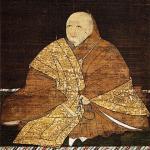
Ashikaga Yoshimitsu was born on September 25, 1358, as the son of the second shogun, Ashikaga Yoshiakira. He became the third shogun of the Ashikaga shogunate at the age of ten in 1368, following his father's death. His early reign was marked by political instability, including conflicts with regional warlords and the Southern Court, a rival imperial faction. Yoshimitsu consolidated power by defeating the Southern Court in 1392, reunifying the imperial line under the Northern Court. He established his lavish residence, the Hana-no-Gosho (Flower Palace), in Kyoto, which became a center of political and cultural activity. Yoshimitsu abdicated in 1394 in favor of his son, Ashikaga Yoshimochi, but continued to wield power behind the scenes. He later took Buddhist vows and became a monk in 1395, adopting the name Rokuon'in. Yoshimitsu died on May 31, 1408, leaving behind a legacy of political unification and cultural patronage.
Historical Context
Yoshimitsu ruled during the Muromachi period (1336–1573), a time of significant transition in Japan. The Ashikaga shogunate, established in 1336, sought to stabilize Japan after the fall of the Kamakura shogunate and the brief restoration of imperial rule under Emperor Go-Daigo. The period was characterized by the ongoing struggle between the Northern and Southern Courts, which represented competing claims to the imperial throne. Yoshimitsu's unification of the courts in 1392 marked a turning point, bringing a measure of political stability to Japan. His reign also saw the rise of the daimyo (feudal lords) and the increasing importance of trade and diplomacy with Ming China. Culturally, the Muromachi period was a golden age for the arts, with Yoshimitsu playing a pivotal role in promoting Zen Buddhism, Noh theater, and the tea ceremony. His diplomatic and cultural initiatives laid the groundwork for Japan's later interactions with the wider world.
Beliefs
Yoshimitsu was a devout patron of Zen Buddhism, which influenced his political and cultural policies. He believed in the fusion of samurai values with Zen principles, emphasizing discipline, meditation, and the pursuit of enlightenment. His support for Zen temples, such as the Kinkaku-ji (Golden Pavilion), reflected his commitment to the religion. Yoshimitsu also embraced the concept of kitayama bunka (Kitayama culture), a blend of aristocratic and samurai traditions that defined the aesthetic and intellectual life of his era. His belief in the power of art and culture as tools for political legitimacy shaped his legacy as a shogun who transcended mere military rule.
Key Achievements
- Unification of the Northern and Southern Courts (1392): Ended the nearly 60-year schism between the rival imperial factions, restoring political stability to Japan.
- Establishment of the Ashikaga Shogunate's Authority: Strengthened the shogunate's control over regional warlords and centralized power in Kyoto.
- Diplomatic Relations with Ming China: Reopened trade and diplomatic ties with China, securing valuable goods and cultural exchanges that enriched Japan.
- Patronage of the Arts: Fostered the development of Noh theater, tea ceremony, and Zen Buddhism, leaving a lasting cultural legacy.
- Construction of Kinkaku-ji (Golden Pavilion): Built the iconic temple in 1397 as a symbol of his power and aesthetic vision, which remains a UNESCO World Heritage Site.
- Promotion of Zen Buddhism: Supported Zen temples and monks, integrating Buddhist principles into the samurai ethos and Japanese culture.
- Economic Reforms: Strengthened Japan's economy through trade, taxation, and the promotion of agriculture and commerce.
- Cultural Synthesis: Blended aristocratic and samurai traditions, creating a unique cultural identity that defined the Muromachi period.