Links
Life events
Wikipedia ↗
Wikipedia ↗
Wikipedia ↗
Wikipedia ↗
Wikipedia ↗
Wikipedia ↗
Wikipedia ↗
Article
Life Summary
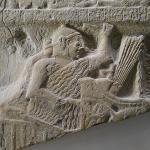
Eannatum was a Sumerian king who ruled the city-state of Lagash in ancient Mesopotamia around the 25th century BCE. He is best known for his military campaigns, which expanded Lagash's territory and influence, making it one of the first recorded empires in history. Eannatum's reign is documented on the Stele of the Vultures, a monument that depicts his victory over the neighboring city-state of Umma. His early life is not well-documented, but he likely ascended to the throne as part of a dynastic succession. Eannatum's military prowess and strategic alliances allowed him to dominate much of Sumer, though the exact duration of his reign and the circumstances of his death remain unclear.
Historical Context
Eannatum ruled during the Early Dynastic Period of Mesopotamia, a time of intense competition and conflict among the city-states of Sumer. This era was marked by the rise of powerful rulers who sought to expand their territories through military conquest and political alliances. Eannatum's campaigns against Umma and other city-states reflect the broader struggles for dominance in the region. His achievements are significant because they represent one of the earliest attempts to create a centralized empire in Mesopotamia, setting a precedent for later rulers like Sargon of Akkad. The Stele of the Vultures, which commemorates his victory over Umma, is one of the oldest known historical documents and provides valuable insights into the political and military dynamics of the time.
Beliefs
Eannatum, like other Sumerian rulers, adhered to the polytheistic religion of Mesopotamia. He attributed his military successes to the favor of the gods, particularly Ningirsu, the patron deity of Lagash. The Stele of the Vultures depicts Ningirsu holding a net filled with the enemies of Lagash, symbolizing divine support for Eannatum's campaigns. This belief in divine intervention was a common theme in Mesopotamian kingship, where rulers were often seen as intermediaries between the gods and their people.
Key Achievements
- Military Conquests: Eannatum led successful campaigns against the city-state of Umma and other neighboring regions, expanding Lagash's territory and influence.
- Stele of the Vultures: Commissioned this monumental stele to commemorate his victory over Umma, providing one of the earliest historical records of a military conflict.
- Empire Building: Established one of the earliest known empires in Mesopotamia, setting a precedent for future rulers.
- Political Alliances: Formed strategic alliances with other city-states to strengthen Lagash's position in the region.
- Cultural Legacy: His reign is documented in one of the oldest known historical texts, offering valuable insights into early Mesopotamian history.