Links
Life events
Wikipedia ↗
Wikipedia ↗
Wikipedia ↗
Wikipedia ↗
Wikipedia ↗
Wikipedia ↗
Wikipedia ↗
Wikipedia ↗
Article
Life Summary
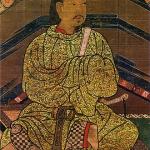
Emperor Daigo (醍醐天皇, Daigo-tennō), born on February 6, 885, was the 60th emperor of Japan, reigning from 897 to 930. Born as Prince Atsuhito, he was the eldest son of Emperor Uda and ascended to the throne at the age of 12 following his father's abdication. His reign is often referred to as the Engi era (延喜), named after the era during which he ruled, and is celebrated for its cultural and literary achievements. Daigo was deeply involved in the arts and scholarship, fostering a period of refinement in Japanese court culture. He abdicated in 930 in favor of his son, Emperor Suzaku, and became a Buddhist monk shortly thereafter, taking the name Hō-kongō. He died on October 23, 930, at the age of 45.
Historical Context
Emperor Daigo's reign occurred during the Heian period (794–1185), a time when Japan was transitioning from direct Chinese influence to the development of its own distinct cultural identity. The Heian period is renowned for its artistic and literary achievements, particularly in poetry, calligraphy, and courtly aesthetics. Daigo's rule is often seen as a golden age of classical Japanese culture, marked by the compilation of the Kokin Wakashū (古今和歌集), the first imperial anthology of Japanese poetry. His reign also saw the continued dominance of the Fujiwara clan in politics, though Daigo attempted to assert imperial authority through personal rule. The era was characterized by a flourishing of waka poetry, the refinement of courtly rituals, and the rise of the kana writing system, which made literature more accessible to the aristocracy.
Beliefs
Emperor Daigo was a devout Buddhist and adhered to the Tendai sect, which was influential in the Heian court. He believed in the power of Buddhist rituals to protect the state and ensure harmony. His faith was reflected in his patronage of temples and his eventual decision to become a monk. Daigo also valued Confucian principles, particularly the idea of benevolent rule, and sought to govern with wisdom and compassion. His belief in the importance of cultural and literary pursuits shaped his reign, as he actively promoted the arts and scholarship.
Key Achievements
- Compilation of the Kokin Wakashū: Ordered the creation of the first imperial anthology of Japanese poetry, which became a cornerstone of classical Japanese literature.
- Cultural Patronage: Fostered a golden age of Heian culture, supporting poets, scholars, and artists, and promoting the development of kana script.
- Engi Reforms: Implemented administrative reforms aimed at reducing corruption and improving governance, though their long-term impact was limited.
- Personal Rule: Attempted to assert imperial authority by ruling directly, rather than relying solely on the Fujiwara regents, though the Fujiwara clan remained dominant.
- Buddhist Devotion: Patronized Buddhist temples and rituals, and later in life became a monk, reflecting his deep religious convictions.
- Literary Legacy: His reign is associated with the flourishing of waka poetry, with many of his own poems included in imperial anthologies.
- Courtly Refinement: Promoted the refinement of courtly aesthetics, including music, dance, and calligraphy, which became defining features of Heian culture.