Links
Life events
Wikipedia ↗
Wikipedia ↗
Wikipedia ↗
Wikipedia ↗
Wikipedia ↗
Wikipedia ↗
Wikipedia ↗
Wikipedia ↗
Article
Life Summary
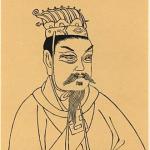
Emperor Jing of Han (188 BCE – 141 BCE), born Liu Qi, was the seventh emperor of the Han Dynasty, ruling from 157 BCE until his death in 141 BCE. He was the son of Emperor Wen and Empress Dou, ascending to the throne after his father's death. His reign is notable for the Rebellion of the Seven States in 154 BCE, a conflict sparked by his efforts to centralize power by reducing the autonomy of regional feudal lords. Despite initial setbacks, Emperor Jing successfully crushed the rebellion, consolidating imperial authority and weakening the influence of regional kings. His policies laid the groundwork for the prosperous reign of his son, Emperor Wu. Emperor Jing died in 141 BCE and was succeeded by Liu Che, who became Emperor Wu.
Historical Context
Emperor Jing ruled during a critical period of the Han Dynasty, a time when the empire was transitioning from the foundational policies of the early Han rulers to a more centralized and bureaucratic state. The early Han Dynasty had adopted a semi-feudal system, granting significant power to regional kings and nobles to maintain stability. However, this system posed a threat to the central government, as regional lords grew increasingly independent and powerful. Emperor Jing’s father, Emperor Wen, had already begun implementing reforms to curb the power of these feudal lords, but it was Emperor Jing who took decisive action. The Rebellion of the Seven States was a direct challenge to imperial authority, and its suppression marked a turning point in Han history, shifting power firmly back to the central government. This era also saw the continuation of Confucian ideals in governance, though Legalist policies remained influential. Emperor Jing’s reign is often seen as a bridge between the cautious rule of his father and the expansive, ambitious reign of his son, Emperor Wu.
Beliefs
Emperor Jing, like many Han rulers, was influenced by a blend of Confucian and Legalist philosophies. Confucianism, which emphasized moral governance, filial piety, and social harmony, was increasingly favored during the Han Dynasty, though Legalist principles—such as strict laws and centralized control—remained integral to statecraft. Emperor Jing’s policies reflected this dual influence: while he sought to centralize power and enforce imperial authority, he also promoted Confucian scholars and ideals. His mother, Empress Dou, was a devout follower of Daoism, and her influence may have shaped some of his more moderate and pragmatic approaches to governance. However, his decisive actions during the Rebellion of the Seven States demonstrated a firm commitment to Legalist principles of strong, centralized rule.
Key Achievements
- Suppression of the Rebellion of the Seven States (154 BCE): Successfully crushed a major uprising by regional kings, reasserting central imperial authority and weakening the power of feudal lords.
- Centralization of Power: Implemented policies to reduce the autonomy of regional kings, ensuring greater control by the central government and preventing future rebellions.
- Economic Reforms: Continued the economic policies of his father, Emperor Wen, promoting agriculture and reducing taxes to stabilize the economy and improve the livelihood of peasants.
- Promotion of Confucianism: Encouraged the study and application of Confucian principles in governance, laying the groundwork for its later dominance during the reign of Emperor Wu.
- Military Strengthening: Strengthened the Han military, which allowed for the successful suppression of the rebellion and secured the empire’s borders against external threats.
- Infrastructure Development: Oversaw the maintenance and expansion of infrastructure, including roads and canals, which facilitated trade and communication across the empire.
- Succession Stability: Ensured a smooth transition of power to his son, Emperor Wu, who would go on to become one of the Han Dynasty’s most celebrated rulers.