Links
Life events
Wikipedia ↗
Wikipedia ↗
Wikipedia ↗
Wikipedia ↗
Wikipedia ↗
Wikipedia ↗
Wikipedia ↗
Wikipedia ↗
Wikipedia ↗
Wikipedia ↗
Article
Life Summary
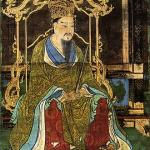
Emperor Kanmu (737–806) was born as Prince Yamabe, the son of Emperor Kōnin and Takano no Niigasa. He ascended to the throne in 781 CE after his father’s abdication, becoming the 50th emperor of Japan. His reign marked a pivotal period in Japanese history, characterized by significant political and cultural reforms. Kanmu sought to consolidate imperial power, reduce the influence of the powerful Fujiwara clan, and centralize governance. One of his most notable decisions was relocating the capital from Nagaoka-kyō to Heian-kyō (modern-day Kyoto) in 794 CE, a move intended to escape the political intrigues and natural disasters plaguing the former capital. He also expanded the Ritsuryō legal system, reformed the military, and promoted Buddhism while maintaining Shinto traditions. Kanmu died in 806 CE, leaving behind a legacy of administrative innovation and cultural flourishing.
Historical Context
Kanmu’s reign occurred during the early Heian period (794–1185), a time when Japan was transitioning from the ancient Ritsuryō state to a more centralized feudal system. The Nara period (710–794) had seen the dominance of the Fujiwara clan and the Buddhist clergy, which often clashed with imperial authority. Kanmu’s relocation of the capital to Heian-kyō was a strategic move to weaken these factions and reassert imperial control. His reign also coincided with Japan’s efforts to define its cultural identity, blending Chinese influences (such as Confucianism and Buddhism) with indigenous traditions. Kanmu’s policies laid the groundwork for the Heian period’s golden age, where literature, art, and courtly culture flourished under a more stable imperial system.
Beliefs
Emperor Kanmu was a patron of Buddhism but also upheld Shinto traditions, reflecting the syncretic religious landscape of Japan. He supported the construction of temples, including Tō-ji and Sai-ji in Heian-kyō, and promoted the Kegon and Tendai schools of Buddhism. However, he also sought to limit the political power of Buddhist institutions, which had grown excessively influential during the Nara period. Kanmu’s religious policies aimed to balance spiritual devotion with state control, ensuring that Buddhism served the interests of the imperial court rather than dominating it.
Key Achievements
- Relocated the capital to Heian-kyō (Kyoto) in 794 CE, establishing a new political and cultural center that endured for over a millennium.
- Reformed the Ritsuryō legal system, strengthening imperial authority and reducing the power of aristocratic clans like the Fujiwara.
- Expanded Japan’s military defenses, including the establishment of the Sakanoue no Tamuramaro as Sei-i Taishōgun (shogun) to subdue the Emishi people in northern Honshu.
- Promoted Buddhism while limiting its political influence, supporting temple construction but ensuring state oversight of religious institutions.
- Encouraged cultural and intellectual growth, fostering the development of kana script and early Heian literature, including the Kokinshū poetry anthology.
- Centralized governance, implementing administrative reforms to improve tax collection, land distribution, and provincial control.
- Supported diplomatic relations with China, sending envoys to the Tang Dynasty to exchange knowledge in governance, art, and religion.