Links
Life events
Wikipedia ↗
Wikipedia ↗
Wikipedia ↗
Wikipedia ↗
Wikipedia ↗
Wikipedia ↗
Wikipedia ↗
Wikipedia ↗
Article
Life Summary
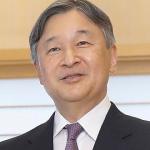
Naruhito was born on February 23, 1960, in Tokyo, Japan, as the eldest son of Emperor Akihito and Empress Michiko. He attended Gakushūin schools for his primary and secondary education before studying history at Gakushūin University, graduating in 1982. He later pursued further studies at Merton College, Oxford, from 1983 to 1985, where he focused on medieval British transport systems. Upon returning to Japan, he continued his academic work and engaged in various public duties as Crown Prince.
Naruhito married Masako Owada, a diplomat, in 1993. The couple has one daughter, Princess Aiko, born in 2001. As Crown Prince, Naruhito represented Japan in numerous international engagements and advocated for water resource conservation and disaster relief efforts. He ascended to the Chrysanthemum Throne on May 1, 2019, following the abdication of his father, Emperor Akihito, marking the beginning of the Reiwa era.
Historical Context
Naruhito’s reign occurs during a transformative period in Japanese history. His father, Emperor Akihito, was the first Japanese monarch to abdicate in over 200 years, reflecting modern Japan’s evolving relationship with its imperial traditions. The imperial family has long symbolized national unity and continuity, but Naruhito’s era is marked by challenges such as an aging population, economic stagnation, and geopolitical tensions in East Asia. His reign also coincides with Japan’s efforts to redefine its global role while preserving its cultural heritage.
Naruhito’s role is purely symbolic under Japan’s post-World War II constitution, which renounces war and limits the emperor’s political influence. His public appearances and speeches emphasize peace, international cooperation, and the importance of historical reflection, particularly regarding Japan’s wartime past. His reign is also notable for its focus on modernizing the imperial institution, including discussions about succession laws and the role of women in the monarchy.
Beliefs
Naruhito has consistently emphasized themes of peace, reconciliation, and global cooperation. He has expressed deep respect for Japan’s constitutional principles, particularly the renunciation of war, and has advocated for environmental conservation and disaster resilience. His public statements often reflect a commitment to understanding and addressing the needs of ordinary citizens, particularly those affected by natural disasters or social challenges. He has also shown support for gender equality and the well-being of families, aligning with broader societal shifts in Japan.
Key Achievements
- Ascension to the Throne (2019): Became the 126th Emperor of Japan, ushering in the Reiwa era, which symbolizes "beautiful harmony."
- International Diplomacy: Represented Japan in numerous state visits and international events, strengthening diplomatic ties and promoting cultural exchange.
- Advocacy for Water Conservation: Served as Honorary President of the United Nations Secretary-General’s Advisory Board on Water and Sanitation, raising global awareness about water resource management.
- Disaster Relief Efforts: Actively engaged in relief efforts following natural disasters, such as the 2011 Tōhoku earthquake and tsunami, providing moral support to affected communities.
- Modernization of the Monarchy: Supported efforts to adapt the imperial institution to contemporary societal values, including discussions on succession laws and the role of women in the imperial family.
- Academic Contributions: Published research on medieval British transport systems during his time at Oxford, demonstrating a commitment to scholarly pursuits.
- Cultural Preservation: Promoted Japanese culture and traditions through public engagements, including the hosting of foreign dignitaries and participation in cultural ceremonies.
- Support for Gender Equality: Advocated for greater inclusion and support for women in Japanese society, aligning with global movements for gender equality.