Links
Life events
Wikipedia ↗
Wikipedia ↗
Wikipedia ↗
Wikipedia ↗
Wikipedia ↗
Wikipedia ↗
Wikipedia ↗
Article
Life Summary
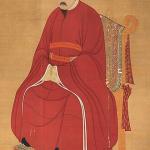
Emperor Renzong of Song, born Zhao Zhen on May 30, 1010, was the fourth emperor of the Song Dynasty, ruling from 1022 until his death in 1063. He ascended to the throne at the age of 12, following the death of his father, Emperor Zhenzong. Due to his young age, his grandmother, Empress Dowager Liu, acted as regent until her death in 1033. Renzong’s reign was marked by a period of relative stability and prosperity, though it also faced challenges such as external threats from the Liao and Western Xia dynasties and internal bureaucratic struggles.
Renzong was known for his Confucian ideals, emphasizing governance through virtue and benevolence. He was deeply influenced by scholars and reformers, including Fan Zhongyan, who advocated for administrative and military reforms. Despite his efforts to strengthen the empire, Renzong’s reign saw limited success in curbing corruption and inefficiency within the government. He died on April 30, 1063, without a surviving son, leading to a succession crisis that resulted in the ascension of his cousin, Emperor Yingzong.
Historical Context
Emperor Renzong ruled during the Northern Song Dynasty, a period characterized by significant cultural, economic, and intellectual achievements. The Song Dynasty was a time of great innovation, with advancements in technology, agriculture, and commerce. However, it was also a period of military vulnerability, as the empire faced constant threats from northern nomadic states like the Liao and Western Xia. Renzong’s reign occurred during a phase of relative peace, allowing for the flourishing of arts, literature, and philosophy.
The era was also defined by the rise of Neo-Confucianism, which sought to revive and reinterpret Confucian thought in response to Buddhist and Daoist influences. Renzong’s court was a center of intellectual debate, with scholars like Fan Zhongyan and Ouyang Xiu advocating for reforms to address social and administrative issues. Despite these intellectual advancements, the Song Dynasty struggled with bureaucratic inefficiency and financial strain, setting the stage for later reforms under Emperor Shenzong and Wang Anshi.
Beliefs
Emperor Renzong was a devout Confucian ruler who believed in governance through moral example and benevolence. He emphasized the importance of education, filial piety, and loyalty to the state. His reign reflected Confucian ideals of harmony, social order, and the welfare of the people. Renzong was also open to reformist ideas, supporting efforts to improve the civil service examination system and reduce corruption. However, his cautious nature often led to hesitation in implementing bold changes, limiting the impact of these reforms.
Key Achievements
- Cultural Flourishing: Renzong’s reign saw the continuation of the Song Dynasty’s cultural golden age, with advancements in poetry, painting, and calligraphy. The emperor himself was a patron of the arts and literature.
- Reform Efforts: He supported the reform proposals of Fan Zhongyan, which aimed to improve the civil service system, reduce corruption, and strengthen the military. Though many reforms were not fully implemented, they laid the groundwork for later changes.
- Diplomatic Relations: Renzong maintained a policy of peaceful coexistence with the Liao and Western Xia dynasties, avoiding large-scale conflicts through tribute and diplomacy.
- Infrastructure Development: His reign saw improvements in infrastructure, including the construction and maintenance of canals and roads, which facilitated trade and communication.
- Education and Scholarship: Renzong expanded educational opportunities, supporting the establishment of schools and the civil service examination system, which helped to cultivate a highly educated bureaucracy.
- Legal Reforms: He introduced measures to reduce harsh punishments and improve the legal system, reflecting his Confucian belief in benevolent governance.
- Economic Stability: Despite financial challenges, Renzong’s reign maintained economic stability, with continued growth in agriculture, commerce, and trade.
- Legacy of Benevolence: Renzong is remembered as a compassionate and virtuous ruler, whose reign embodied the Confucian ideal of a wise and just emperor.