Links
Life events
Wikipedia ↗
Wikipedia ↗
Wikipedia ↗
Wikipedia ↗
Wikipedia ↗
Wikipedia ↗
Wikipedia ↗
Article
Life Summary
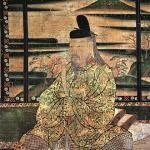
Emperor Saga (嵯峨天皇, Saga-tennō) was born on October 3, 786, as the second son of Emperor Kanmu. He ascended to the Chrysanthemum Throne in 809 following the abdication of his elder brother, Emperor Heizei. Saga's reign was marked by political stability and cultural flourishing, though it was not without challenges, including the rebellion of his brother, Prince Iyo, in 809. Saga was a learned man, deeply interested in Chinese culture, literature, and calligraphy. He is often credited with promoting the development of Japanese calligraphy and is considered one of the "Three Brushes" (Sanpitsu) of early Japan, alongside Emperor Kōkō and Emperor Daigo. Saga abdicated in 823 in favor of his brother, Emperor Junna, and spent his later years in scholarly and religious pursuits. He died on August 24, 842, at the age of 55.
Historical Context
Emperor Saga ruled during the early Heian period (794–1185), a time when Japan was consolidating its imperial system and distancing itself from heavy Chinese influence. The capital had recently been moved to Heian-kyō (modern-day Kyoto) in 794, marking the beginning of a new era in Japanese history. Saga's reign was characterized by efforts to strengthen the central government and reduce the power of regional clans. His patronage of Buddhism and the arts helped shape the cultural landscape of Japan, fostering a unique blend of native and Chinese traditions. Saga's reign also saw the rise of the Fujiwara clan, who would later dominate Japanese politics for centuries. His contributions to literature and calligraphy left a lasting legacy, influencing Japanese aesthetics and scholarship.
Beliefs
Emperor Saga was a devout Buddhist and a strong advocate for the integration of Buddhist principles into governance. He supported the construction and maintenance of temples, including the famous Tō-ji in Kyoto, which became a center for esoteric Buddhism. Saga also believed in the importance of education and scholarship, promoting the study of Chinese classics and Confucian ideals. His personal beliefs were reflected in his policies, which emphasized cultural refinement, religious tolerance, and the pursuit of knowledge.
Key Achievements
- Patronage of the Arts: Saga was a renowned calligrapher and promoted the development of Japanese calligraphy, earning a place among the "Three Brushes" of early Japan.
- Cultural Flourishing: His reign saw a blossoming of literature, poetry, and scholarship, with Saga himself compiling anthologies of Chinese poetry.
- Religious Contributions: He supported the growth of Buddhism in Japan, particularly esoteric Buddhism, and oversaw the construction and restoration of temples.
- Political Stability: Despite early challenges, Saga's reign was marked by relative stability, allowing for cultural and administrative advancements.
- Promotion of Education: Saga encouraged the study of Chinese classics and Confucianism, fostering a scholarly environment in the imperial court.
- Abdication and Legacy: His voluntary abdication in 823 set a precedent for future emperors, emphasizing the importance of peaceful transitions of power.