Links
Life events
Wikipedia ↗
Wikipedia ↗
Wikipedia ↗
Wikipedia ↗
Wikipedia ↗
Wikipedia ↗
Wikipedia ↗
Article
Life Summary
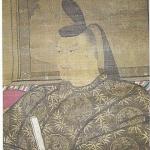
Emperor Tenmu, born Prince Ōama (大海人皇子), was the 40th emperor of Japan according to the traditional order of succession. He was born around 631 CE as the son of Emperor Jomei and Empress Saimei. His early life was marked by political intrigue, as he was a younger brother of Emperor Tenji, who ruled from 661 to 672 CE. After Tenji's death, a succession dispute erupted between Tenmu and Tenji's son, Prince Ōtomo, who briefly became Emperor Kōbun. Tenmu emerged victorious in the Jinshin War (672 CE), a civil conflict that solidified his claim to the throne. He ruled from 673 until his death in 686 CE, implementing significant reforms that shaped Japan's imperial system.
Tenmu's reign was characterized by efforts to centralize power and strengthen the imperial institution. He moved the capital to Asuka (modern-day Nara Prefecture) and promoted Buddhism as a unifying force. His policies laid the groundwork for the Taihō Code, a legal system that formalized Japan's government structure. Tenmu died in 686 CE, leaving behind a legacy of political and cultural transformation.
Historical Context
Emperor Tenmu ruled during Japan's Asuka period (538–710 CE), a time of profound change as the country transitioned from a loose confederation of clans to a centralized state. This era was influenced by China's Tang Dynasty, which served as a model for Japan's political and cultural development. The introduction of Buddhism in the 6th century had already begun reshaping Japanese society, and Tenmu's reign accelerated this process by integrating Buddhist principles into governance.
The Jinshin War, which brought Tenmu to power, was a pivotal moment in Japanese history. It demonstrated the fragility of the imperial succession and the need for a stronger, more unified state. Tenmu's victory allowed him to implement reforms that reduced the influence of powerful clans like the Soga and strengthened the emperor's authority. His reign also saw the compilation of Japan's first historical records, such as the Kojiki and Nihon Shoki, which legitimized the imperial line's divine origins.
Beliefs
Emperor Tenmu was a devout Buddhist and sought to use religion as a tool for political unification. He believed in the syncretism of Shinto and Buddhism, promoting the idea that Shinto deities (kami) were manifestations of Buddhist figures. This philosophy, known as shinbutsu-shūgō, became a cornerstone of Japanese religious practice for centuries. Tenmu also emphasized the divine nature of the imperial line, tracing its origins to the sun goddess Amaterasu, which reinforced his authority and the legitimacy of his rule.
Key Achievements
- Victory in the Jinshin War (672 CE): Defeated his nephew, Emperor Kōbun, to secure the throne and consolidate imperial power.
- Centralization of Government: Strengthened the imperial institution by reducing the influence of powerful clans and establishing a more centralized bureaucracy.
- Promotion of Buddhism: Actively supported Buddhist temples and integrated Buddhist principles into governance, fostering religious and political unity.
- Capital Relocation: Moved the capital to Asuka, which became a center of political and cultural activity during his reign.
- Legal and Administrative Reforms: Laid the groundwork for the Taihō Code (701 CE), which formalized Japan's government structure and legal system.
- Compilation of Historical Records: Commissioned the creation of Japan's earliest historical texts, the Kojiki (712 CE) and Nihon Shoki (720 CE), which legitimized the imperial line's divine origins.
- Military Reforms: Reorganized Japan's military system to enhance the emperor's control over regional forces.
- Cultural Patronage: Encouraged the development of art, literature, and architecture, leaving a lasting impact on Japanese culture.