Links
Life events
Wikipedia ↗
Wikipedia ↗
Wikipedia ↗
Wikipedia ↗
Wikipedia ↗
Wikipedia ↗
Wikipedia ↗
Wikipedia ↗
Wikipedia ↗
Article
Life Summary
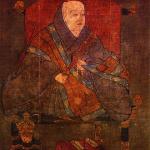
Emperor Uda (宇多天皇, Uda-tennō), born on June 10, 867, was the 59th emperor of Japan, reigning from 887 to 897. He was the third son of Emperor Kōkō and ascended the throne after his father's death. Unlike many of his predecessors, Uda was not under the direct control of the powerful Fujiwara clan, which had dominated the imperial court for generations. His reign marked a brief period of imperial resurgence, as he sought to reduce Fujiwara influence and restore direct imperial authority.
Uda's early life was spent in relative obscurity, as he was not initially in line for the throne. However, his father, Emperor Kōkō, recalled him from exile and named him crown prince. Upon Kōkō's death in 887, Uda ascended the throne at the age of 20. His reign was characterized by efforts to curb the power of the Fujiwara regents, particularly Fujiwara no Mototsune, who had effectively controlled the government under previous emperors. Uda's policies included appointing non-Fujiwara officials to key positions and promoting men of talent regardless of their clan affiliation.
In 897, Uda abdicated in favor of his son, Emperor Daigo, and took the title of Daijō Tennō (Retired Emperor). After his abdication, he continued to wield significant influence, particularly through his support of Buddhism. He became a Buddhist monk in 900, taking the name Kongō Kaku. Emperor Uda died on September 3, 931, at the age of 64.
Historical Context
Emperor Uda's reign occurred during the Heian period (794–1185), a time when Japan was transitioning from an aristocratic state modeled after Tang China to a more insular and uniquely Japanese culture. The Heian period is often regarded as the golden age of classical Japanese culture, marked by the flourishing of literature, art, and religion. However, it was also a time of political intrigue, as the Fujiwara clan consolidated power through strategic marriages and regencies, effectively sidelining the imperial family.
Uda's reign is significant because it represents one of the few attempts by an emperor to break free from Fujiwara dominance. His efforts to restore imperial authority were largely unsuccessful in the long term, as the Fujiwara regained control after his abdication. However, his reign set a precedent for future emperors, including his son Daigo, who continued to resist Fujiwara influence. Uda's promotion of Buddhism also reflected the growing importance of the religion in Japanese society, which would later lead to the establishment of powerful Buddhist temples and sects.
Beliefs
Emperor Uda was a devout Buddhist and believed in the power of religion to unify and stabilize the state. He supported the construction and renovation of Buddhist temples, including the famous Tōdai-ji in Nara, and promoted the study of Buddhist scriptures. His decision to become a monk after abdication underscores his deep personal commitment to Buddhism. Uda also believed in the importance of meritocracy, as evidenced by his appointments of non-Fujiwara officials based on talent rather than clan affiliation.
Key Achievements
- Reduced Fujiwara Influence: Uda's reign marked a temporary decline in Fujiwara dominance, as he appointed non-Fujiwara officials to key government positions.
- Promoted Buddhism: He supported the construction and renovation of Buddhist temples and encouraged the study of Buddhist texts, reinforcing the religion's role in Japanese society.
- Abdication and Continued Influence: Uda abdicated in 897 but remained a powerful figure as a retired emperor, influencing politics and religion until his death.
- Cultural Patronage: His reign saw the continued development of Heian culture, including literature and art, which flourished under his patronage.
- Meritocratic Appointments: Uda appointed officials based on talent rather than clan affiliation, a rare practice in the Heian court dominated by the Fujiwara.
- Support for the Imperial Family: He worked to restore the authority of the imperial family, setting a precedent for future emperors to resist Fujiwara control.