Links
Life events
Wikipedia ↗
Wikipedia ↗
Wikipedia ↗
Wikipedia ↗
Wikipedia ↗
Wikipedia ↗
Wikipedia ↗
Wikipedia ↗
Wikipedia ↗
Article
Life Summary
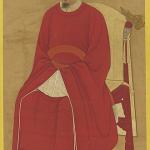
Emperor Xiaozong of Song, born Zhao Shen on November 27, 1127, was the eleventh emperor of the Song Dynasty, ruling from 1162 until his abdication in 1189. He was a descendant of the imperial family and was adopted by Emperor Gaozong after the death of Gaozong’s only son. Zhao Shen ascended the throne at the age of 36, following Gaozong’s abdication. His early reign was marked by efforts to stabilize the empire, which had been weakened by the Jin-Song Wars and the loss of northern China to the Jurchen-led Jin Dynasty. Xiaozong sought to strengthen the military, reform the bureaucracy, and promote Confucian ideals. He was known for his frugality and dedication to governance, often working late into the night. Xiaozong abdicated in favor of his son, Emperor Guangzong, in 1189 and died on June 28, 1194, at the age of 66.
Historical Context
Emperor Xiaozong ruled during a critical period in the Southern Song Dynasty, a time when the empire was recovering from the devastating loss of northern China to the Jin Dynasty in the early 12th century. The Song court had retreated south of the Yangtze River, establishing its capital at Lin’an (modern-day Hangzhou). This era was characterized by a delicate balance of military defense against the Jin, economic recovery, and cultural flourishing. Xiaozong’s reign is often seen as a period of consolidation and reform, where Confucian principles were re-emphasized to restore stability and moral governance. His policies laid the groundwork for the relative prosperity of the Southern Song Dynasty, which would continue until the Mongol conquest in the 13th century. Xiaozong’s rule is significant for its efforts to reconcile the tensions between military defense and civilian governance, a recurring challenge for the Song emperors.
Beliefs
Emperor Xiaozong was a devout Confucian and believed in the importance of moral governance, frugality, and the welfare of his people. He was influenced by the Neo-Confucian ideals that were gaining prominence during his time, emphasizing personal virtue, education, and the proper conduct of rulers. Xiaozong sought to embody these principles in his rule, often consulting Confucian scholars and promoting their teachings within the government. He also valued loyalty and stability, which guided his policies toward the Jin Dynasty and his efforts to maintain peace while preparing for potential conflicts.
Key Achievements
- Stabilization of the Southern Song Dynasty: Xiaozong’s reign marked a period of recovery and consolidation after the turmoil of the Jin-Song Wars, ensuring the survival of the Southern Song state.
- Military Reforms: He strengthened the Song military, improving defenses along the northern border and preparing the empire for potential conflicts with the Jin Dynasty.
- Promotion of Confucian Governance: Xiaozong emphasized Confucian principles in governance, appointing scholars to key positions and promoting education and moral conduct within the bureaucracy.
- Economic Policies: He implemented policies to stabilize the economy, including tax reforms and efforts to reduce corruption, which helped restore prosperity to the Southern Song territories.
- Cultural Patronage: Xiaozong supported the arts and literature, contributing to the cultural flourishing of the Southern Song Dynasty, which became known for its poetry, painting, and scholarship.
- Abdication in Favor of His Son: In a rare move, Xiaozong voluntarily abdicated the throne in 1189, allowing his son, Emperor Guangzong, to succeed him, demonstrating his commitment to dynastic stability and Confucian ideals of filial piety.