Links
Life events
Wikipedia ↗
Wikipedia ↗
Wikipedia ↗
Wikipedia ↗
Wikipedia ↗
Wikipedia ↗
Wikipedia ↗
Wikipedia ↗
Article
Life Summary
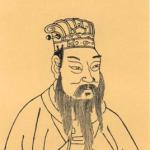
Emperor Zhang of Han (章帝; 57–88 CE), born Liu Da (劉炟), was the seventh emperor of the Eastern Han Dynasty in China. He ascended the throne in 75 CE at the age of 18 after the death of his father, Emperor Ming. His reign lasted until his death in 88 CE, marking a period of relative stability and prosperity for the Han Empire.
Liu Da was the fifth son of Emperor Ming and Empress Ma. His mother, Empress Ma, was known for her virtue and influence, which helped shape his early upbringing. As a young prince, Liu Da was educated in Confucian classics, which deeply influenced his governance style. He became emperor following the death of his father, who had designated him as the heir due to his intelligence and moral character.
During his reign, Emperor Zhang focused on consolidating power, reducing corruption, and promoting Confucian ideals. He implemented policies to alleviate poverty, such as reducing taxes and providing relief to farmers. His rule was also marked by military campaigns to secure the empire's borders, particularly against the Xiongnu nomadic tribes in the north. Emperor Zhang died in 88 CE at the age of 31, leaving the throne to his 10-year-old son, Emperor He.
Historical Context
Emperor Zhang ruled during the Eastern Han Dynasty (25–220 CE), a period often regarded as a golden age in Chinese history. The Han Dynasty had been restored after the brief interruption of the Xin Dynasty under Wang Mang, and the empire was experiencing a resurgence in political stability, economic growth, and cultural flourishing. Confucianism had become the dominant ideology, shaping governance, education, and social norms.
The Eastern Han period was characterized by advancements in technology, agriculture, and trade, including the expansion of the Silk Road, which connected China to the Roman Empire and other regions. However, the dynasty also faced challenges, such as corruption among officials, social inequality, and threats from nomadic tribes along the northern borders. Emperor Zhang's reign is often seen as a continuation of the prosperity initiated by his father, Emperor Ming, and a precursor to the later challenges that would weaken the dynasty.
Emperor Zhang's emphasis on Confucian values and his efforts to strengthen the central government helped maintain the dynasty's stability. His reign is remembered as a time of cultural and intellectual growth, with significant developments in literature, historiography, and the arts.
Beliefs
Emperor Zhang was a devout follower of Confucianism, which emphasized moral integrity, filial piety, and benevolent governance. He believed in the importance of education and the role of scholars in advising the ruler. His policies reflected Confucian ideals, such as reducing the burden on peasants and promoting social harmony. He also supported the compilation of historical texts and the preservation of classical knowledge, reinforcing Confucianism as the foundation of Han governance.
Key Achievements
- Stabilized the Eastern Han Dynasty: Continued the work of his father, Emperor Ming, in consolidating power and reducing corruption within the government.
- Promoted Confucianism: Reinforced Confucian values in governance, education, and social policies, shaping the cultural and intellectual landscape of the Han Dynasty.
- Economic Reforms: Reduced taxes and provided relief to farmers, alleviating poverty and promoting agricultural productivity.
- Military Campaigns: Successfully defended the empire's northern borders against the Xiongnu, securing the frontier and maintaining peace.
- Cultural Advancements: Supported the compilation of historical texts, including the Book of Later Han, and encouraged the preservation of classical knowledge.
- Infrastructure Development: Oversaw the construction and maintenance of roads, canals, and other public works to facilitate trade and communication.
- Diplomatic Relations: Strengthened ties with neighboring states and maintained the Silk Road, fostering economic and cultural exchange.
- Succession Planning: Ensured a smooth transition of power to his son, Emperor He, despite his young age, by appointing trusted regents to guide the young emperor.