Links
Life events
Wikipedia ↗
Wikipedia ↗
Wikipedia ↗
Wikipedia ↗
Wikipedia ↗
Wikipedia ↗
Article
Life Summary
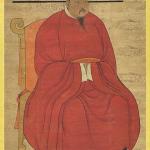
Emperor Zhenzong of Song (born Zhao Heng on 968-12-23) was the third emperor of the Song Dynasty, ruling from 997 until his death in 1022. He was the son of Emperor Taizong and ascended the throne after his father's death. Zhenzong's reign was marked by efforts to stabilize the empire, including diplomatic engagements with the Liao Dynasty to the north. His early years saw military campaigns, but he later shifted focus to internal governance and cultural development. He suffered from illness in his later years and died on 1022-03-23, succeeded by his son, Emperor Renzong.
Historical Context
Zhenzong ruled during a critical period of the Song Dynasty, a time when China was transitioning from the Five Dynasties and Ten Kingdoms period into a more unified and centralized state. The Song Dynasty was known for its emphasis on civil administration, Confucian ideals, and economic prosperity, but it also faced external threats, particularly from the Liao Dynasty in the north. Zhenzong's reign was pivotal in solidifying the Song's political and cultural foundations, even as the empire grappled with military and diplomatic challenges. His policies set the stage for the dynasty's golden age under later emperors.
Beliefs
Emperor Zhenzong was a devout follower of Confucianism, which shaped his governance and policies. He promoted Confucian scholars in the bureaucracy and emphasized moral leadership. Additionally, he was deeply interested in Daoism and Buddhism, often patronizing religious institutions and rituals. His belief in the Mandate of Heaven influenced his approach to governance, as he sought to legitimize his rule through both military and cultural achievements.
Key Achievements
- Stabilized the Song Dynasty: Consolidated power after the turbulent early years of the dynasty, ensuring a smooth transition from his father's reign.
- Chanyuan Treaty (1005): Negotiated a peace agreement with the Liao Dynasty, ending decades of conflict and establishing a period of relative stability through tribute payments.
- Promoted Confucian Governance: Strengthened the civil service examination system, ensuring that Confucian scholars played a central role in administration.
- Cultural Patronage: Supported the arts, literature, and education, fostering a flourishing of Song culture.
- Economic Reforms: Implemented policies to improve agriculture, trade, and taxation, contributing to the dynasty's economic growth.
- Religious Tolerance: Patronized Daoist and Buddhist institutions, reflecting his personal beliefs and promoting religious harmony.
- Military Reforms: Reorganized the military to improve efficiency, though his reign was marked by a shift toward diplomacy over warfare.
- Legacy of Stability: His reign laid the groundwork for the prosperous era of the Northern Song Dynasty, influencing later emperors.