Links
Life events
AD 661
Birth in Yamato Province
Empress Genmei, also known as Empress Genmyō, was born in Yamato Province (modern-day Nara Prefecture). She was the daughter of Emperor Tenji and Lady Mei.
Empress Genmei, also known as Empress Genmyō, was born in Yamato Province (modern-day Nara Prefecture). She was the daughter of Emperor Tenji and Lady Mei.
Wikipedia ↗
AD 681
Marriage to Prince Kusakabe
Genmei married Prince Kusakabe, her half-brother and the crown prince. This union strengthened her position within the imperial family.
Genmei married Prince Kusakabe, her half-brother and the crown prince. This union strengthened her position within the imperial family.
Wikipedia ↗
AD 683
Birth of Empress Genshō
Genmei gave birth to Princess Hidaka, who later became Empress Genshō. This event secured the lineage of the imperial family.
Genmei gave birth to Princess Hidaka, who later became Empress Genshō. This event secured the lineage of the imperial family.
Wikipedia ↗
AD 689
Death of Prince Kusakabe
Prince Kusakabe, Genmei's husband, died, leaving her in a vulnerable position within the court. She later became a key political figure.
Prince Kusakabe, Genmei's husband, died, leaving her in a vulnerable position within the court. She later became a key political figure.
Wikipedia ↗
AD 707
Ascension to Empress Dowager
Following the death of Emperor Monmu, Genmei became Empress Dowager and played a crucial role in the regency for her grandson, Emperor Shōmu.
Following the death of Emperor Monmu, Genmei became Empress Dowager and played a crucial role in the regency for her grandson, Emperor Shōmu.
Wikipedia ↗
AD 707
Coronation as Empress Regnant
Genmei ascended the throne as the 43rd monarch of Japan, becoming one of the few women to rule in her own right during this period.
Genmei ascended the throne as the 43rd monarch of Japan, becoming one of the few women to rule in her own right during this period.
Wikipedia ↗
AD 710
Establishment of Nara as Capital
Empress Genmei ordered the relocation of the capital to Heijō-kyō (modern-day Nara), marking the beginning of the Nara Period in Japanese history.
Empress Genmei ordered the relocation of the capital to Heijō-kyō (modern-day Nara), marking the beginning of the Nara Period in Japanese history.
Wikipedia ↗
AD 712
Compilation of Kojiki Completed
Under Genmei's reign, the Kojiki, Japan's oldest historical record, was completed. This work played a foundational role in Japanese literature and history.
Under Genmei's reign, the Kojiki, Japan's oldest historical record, was completed. This work played a foundational role in Japanese literature and history.
Wikipedia ↗
AD 713
Compilation of Nihon Shoki Ordered
Empress Genmei commissioned the compilation of the Nihon Shoki, another critical historical text that chronicled Japan's early history.
Empress Genmei commissioned the compilation of the Nihon Shoki, another critical historical text that chronicled Japan's early history.
Wikipedia ↗
AD 715
Abdication in Favor of Empress Genshō
Empress Genmei abdicated the throne in favor of her daughter, Empress Genshō, marking the end of her reign but not her influence in court affairs.
Empress Genmei abdicated the throne in favor of her daughter, Empress Genshō, marking the end of her reign but not her influence in court affairs.
Wikipedia ↗
AD 721
Death in Nara
Empress Genmei died in Nara at the age of 60. She was buried in the Nara area, and her legacy endured through her contributions to Japanese governance and culture.
Empress Genmei died in Nara at the age of 60. She was buried in the Nara area, and her legacy endured through her contributions to Japanese governance and culture.
Wikipedia ↗
Article
Life Summary
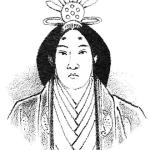
Empress Genmei (元明天皇 Genmei-tennō), also known as Empress Genmyō, was born on April 20, 660 CE, as Princess Abe, the daughter of Emperor Tenji and Empress Yamato. She married Prince Kusakabe, son of Emperor Tenmu, and gave birth to Emperor Monmu. After Monmu’s death in 707 CE, she ascended the throne at the age of 48, becoming the 43rd monarch of Japan and the fourth woman to rule as empress regnant. Her reign lasted from 707 to 715 CE, during which she oversaw significant political and cultural developments. She abdicated in favor of her daughter, Empress Genshō, and died on December 29, 721 CE, at the age of 61.
Historical Context
Empress Genmei’s reign occurred during Japan’s Nara period, a time of consolidation of imperial authority and the adoption of Chinese-style governance. The establishment of Nara as the first permanent capital in 710 CE marked a turning point in Japanese history, facilitating centralized administration and cultural exchange. Genmei’s rule also saw the compilation of Japan’s earliest historical records, such as the Kojiki (712 CE) and the Nihon Shoki (720 CE), which were critical in shaping Japan’s national identity. Her reign reflected the growing influence of Buddhism and the integration of Chinese political models into Japanese governance.
Beliefs
Empress Genmei was a devout Buddhist and supported the spread of Buddhism in Japan. She believed in the syncretism of Shinto and Buddhist traditions, which was common during her era. Her policies reflected a commitment to strengthening the imperial institution while promoting cultural and religious unity.
Key Achievements
- Establishment of Nara as the Capital: In 710 CE, Genmei moved the capital to Heijō-kyō (modern-day Nara), creating Japan’s first permanent capital and laying the foundation for centralized governance.
- Compilation of Historical Records: Oversaw the completion of the Kojiki (712 CE), Japan’s oldest historical chronicle, and initiated the Nihon Shoki (720 CE), which became foundational texts for Japanese history and mythology.
- Promotion of Buddhism: Actively supported Buddhist institutions, including the construction of temples and the spread of Buddhist teachings, which strengthened its role in Japanese society.
- Economic and Administrative Reforms: Implemented land reforms and tax systems to stabilize the economy and strengthen imperial control over regional governance.
- Abdication in Favor of Her Daughter: Became the first Japanese monarch to abdicate in favor of a female successor, Empress Genshō, setting a precedent for future transitions of power.