Links
Life events
Wikipedia ↗
Wikipedia ↗
Wikipedia ↗
Wikipedia ↗
Wikipedia ↗
Wikipedia ↗
Wikipedia ↗
Wikipedia ↗
Wikipedia ↗
Article
Life Summary
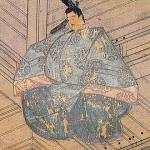
Fujiwara no Michinaga (966–1028) was a Japanese statesman and the most powerful member of the Fujiwara clan during the Heian period. Born into the politically dominant Fujiwara family, he was the son of Fujiwara no Kaneie and Tokihime. Michinaga rose to prominence through strategic marriages of his daughters to emperors, ensuring his influence over the imperial court. He served as regent (Sesshō) and chief advisor (Kampaku) to multiple emperors, effectively controlling Japan’s government for over three decades. His political acumen and manipulation of court alliances solidified the Fujiwara clan’s dominance. Michinaga retired in 1019 but continued to wield power until his death in 1028. His life is vividly documented in The Pillow Book and The Tale of Genji, which reflect the cultural and political milieu of his era.
Historical Context
Michinaga’s life unfolded during the Heian period (794–1185), a golden age of Japanese culture, art, and aristocratic refinement. The Fujiwara clan had long dominated court politics through the sekkan (regency) system, marrying their daughters to emperors to secure power. Michinaga perfected this strategy, ensuring that four of his daughters became empresses and mothers to future emperors. His reign marked the peak of Fujiwara influence, as the clan controlled key government positions and marginalized rival factions. The Heian court was characterized by a highly ritualized and aestheticized culture, where poetry, calligraphy, and courtly love were central to political and social life. Michinaga’s era also saw the rise of shoen (private estates), which weakened central authority and set the stage for the feudal conflicts of later centuries. His dominance exemplifies the shift from imperial rule to aristocratic control, a defining feature of Heian Japan.
Beliefs
Michinaga was a devout Buddhist and believed in the power of religious rituals to protect the state and his family’s fortunes. He commissioned numerous temples and Buddhist ceremonies, including the construction of the grand Hōjō-ji temple, which became a center of religious and political influence. He also adhered to the Shinto traditions of the imperial court, participating in rituals to ensure divine favor. His worldview was shaped by the syncretic blend of Buddhism and indigenous Shinto beliefs, common among Heian aristocrats. Michinaga’s faith was intertwined with his political ambitions, as he used religious patronage to legitimize his power and secure his legacy.
Key Achievements
- Dominance of the Fujiwara Clan: Michinaga elevated the Fujiwara clan to its zenith of power, ensuring that his descendants controlled the imperial court for generations.
- Strategic Marriages: He married four of his daughters to emperors (Emperor Ichijō, Emperor Sanjō, and Emperor Go-Ichijō), making him the grandfather of three emperors and securing his influence over the throne.
- Regency and Political Control: Served as regent (Sesshō) and chief advisor (Kampaku), effectively ruling Japan through puppet emperors and shaping its policies for over 30 years.
- Cultural Patronage: Fostered the flourishing of Heian culture, supporting literature, poetry, and the arts, which reached new heights during his era.
- Religious Influence: Commissioned the construction of Hōjō-ji, a major Buddhist temple, and promoted Buddhist rituals to protect the state and his family’s power.
- Economic and Land Policies: Strengthened the shoen system, which allowed the Fujiwara to accumulate vast private estates, further consolidating their wealth and influence.
- Literary Legacy: His life and influence are immortalized in classical Japanese literature, including The Pillow Book by Sei Shōnagon and The Tale of Genji by Murasaki Shikibu, both of whom were part of his court.