Links
Life events
Wikipedia ↗
Wikipedia ↗
Wikipedia ↗
Wikipedia ↗
Wikipedia ↗
Wikipedia ↗
Wikipedia ↗
Wikipedia ↗
Article
Life Summary
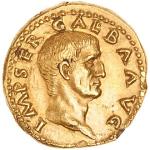
Servius Sulpicius Galba was born on December 24, 3 BCE, near Terracina, Italy, into a distinguished patrician family. His early career included roles as a praetor, consul, and governor of various Roman provinces, including Aquitania, Upper Germany, and Africa. Known for his strict discipline and frugality, Galba gained a reputation as a capable administrator. In 68 CE, he was proclaimed emperor by the Senate and the Praetorian Guard after the suicide of Emperor Nero, marking the beginning of the chaotic Year of the Four Emperors.
Galba's rule was short-lived and unpopular. His refusal to pay the Praetorian Guard the customary donative and his harsh fiscal policies alienated key supporters. On January 15, 69 CE, he was assassinated in the Roman Forum by soldiers loyal to Otho, who succeeded him as emperor. His death marked the first in a series of rapid imperial successions during that tumultuous year.
Historical Context
Galba's rise and fall occurred during a period of profound instability in the Roman Empire, known as the Year of the Four Emperors (68–69 CE). This era followed the death of Nero, the last emperor of the Julio-Claudian dynasty, and was characterized by civil war, military uprisings, and competing claims to the imperial throne. The crisis exposed the fragility of imperial succession and the growing power of the military in determining Rome's leadership.
Galba's brief reign is significant as it highlighted the challenges of restoring stability after Nero's extravagant and tyrannical rule. His attempts to enforce fiscal discipline and curb corruption were overshadowed by his inability to secure the loyalty of the military and the Senate. His failure underscored the importance of military support in maintaining imperial authority, a lesson that subsequent emperors, such as Vespasian, would take to heart.
Beliefs
Galba was known for his conservative and traditional Roman values. He believed in the importance of fiscal responsibility, discipline, and adherence to the mos maiorum (the customs of the ancestors). His governance style reflected a commitment to restoring the Roman Republic's ideals of frugality and integrity, though his rigid approach often alienated those around him. He was also a proponent of strict military discipline, which earned him respect but also resentment among the troops.
Key Achievements
- Proclaimed Emperor: Became emperor in 68 CE after the fall of Nero, marking the end of the Julio-Claudian dynasty.
- Governorships: Served as governor of Aquitania, Upper Germany, and Africa, where he demonstrated administrative competence and military discipline.
- Fiscal Reforms: Attempted to restore fiscal discipline to the Roman Empire by cutting extravagant spending and addressing corruption.
- Military Leadership: Led successful campaigns in Germany and suppressed rebellions in Gaul, earning a reputation as a capable military leader.
- Legacy of Discipline: His strict governance style influenced later emperors, particularly in their efforts to curb corruption and restore order.
- Historical Significance: His reign marked the beginning of the Year of the Four Emperors, a pivotal period in Roman history that demonstrated the empire's vulnerability to internal strife.