Links
Life events
Wikipedia ↗
Wikipedia ↗
Wikipedia ↗
Wikipedia ↗
Wikipedia ↗
Article
Life Summary
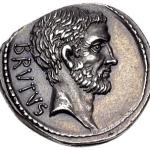
Lucius Junius Brutus was a semi-legendary figure in early Roman history, traditionally credited with founding the Roman Republic in 509 BCE. According to Roman tradition, he was the nephew of Rome’s last king, Tarquin the Proud, and feigned stupidity to avoid suspicion while secretly plotting against the monarchy. After the rape of Lucretia by Tarquin’s son Sextus Tarquinius, Brutus rallied the Roman people to revolt, expelling the Tarquin dynasty and establishing a republican government. He became one of Rome’s first two consuls, alongside Lucius Tarquinius Collatinus, but later executed his own sons for conspiring to restore the monarchy. Brutus died in battle against the Tarquins and their Etruscan allies, becoming a symbol of Roman virtue and resistance to tyranny.
Historical Context
Lucius Junius Brutus lived during a pivotal transition in Roman history, as the city shifted from monarchy to republic. The Roman Kingdom (753–509 BCE) was dominated by Etruscan influence, and the Tarquin dynasty’s rule was marked by tyranny and excess. Brutus’s actions reflected growing Roman resentment toward monarchical rule and a desire for a more representative system. The establishment of the Roman Republic in 509 BCE laid the foundation for Rome’s political and military expansion, shaping its identity as a state governed by laws rather than kings. Brutus’s legacy endured as a model of civic duty, inspiring later Roman leaders and revolutionaries, including those who overthrew Julius Caesar in 44 BCE.
Beliefs
- Opposition to Tyranny: Brutus believed in the dangers of absolute monarchy and the need for collective governance.
- Republicanism: He championed the idea of a government where power was shared among elected officials rather than concentrated in a single ruler.
- Civic Virtue: His actions emphasized the Roman ideal of virtus—courage, duty, and loyalty to the state over personal or familial ties.
- Rule of Law: The early Republic’s emphasis on constitutional governance reflected Brutus’s belief in legal constraints on power.
Key Achievements
- Overthrow of the Roman Monarchy: Led the revolution that ended the rule of Tarquin the Proud and established the Roman Republic in 509 BCE.
- Founding of the Roman Republic: Served as one of the first two consuls, creating a system of shared power that defined Rome for centuries.
- Execution of His Sons: Demonstrated his commitment to the Republic by ordering the execution of his own sons, Titus and Tiberius, for treason after they conspired to restore the monarchy.
- Symbol of Roman Virtue: Became a legendary figure embodying Roman ideals of duty, sacrifice, and resistance to tyranny, influencing later generations.
- Military Leadership: Fought in the Battle of Silva Arsia (509 BCE) against the Tarquins and their Etruscan allies, securing the Republic’s early survival.