Links
Life events
Wikipedia ↗
Wikipedia ↗
Wikipedia ↗
Wikipedia ↗
Wikipedia ↗
Wikipedia ↗
Article
Life Summary
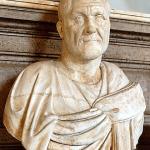
Gaius Julius Verus Maximinus Thrax, commonly known as Maximinus Thrax, was born around 173 CE in Thrace (modern-day Bulgaria). Of humble origins, he rose through the ranks of the Roman army due to his exceptional physical strength and military skill. His career began as a common soldier, but he quickly gained prominence under Emperor Septimius Severus and later under Alexander Severus. In 235 CE, after the assassination of Alexander Severus, Maximinus was proclaimed emperor by the Pannonian legions. His reign marked the beginning of the Crisis of the Third Century, a period of military anarchy and economic instability in the Roman Empire.
Maximinus was the first emperor never to set foot in Rome, ruling instead from military camps along the frontier. His reign was characterized by constant warfare, particularly against the Germanic tribes along the Rhine and Danube. He was known for his harsh treatment of both enemies and internal opponents, including senators and wealthy citizens, whom he heavily taxed to fund his military campaigns. His brutal policies and disregard for the Senate made him deeply unpopular among the Roman elite. In 238 CE, a revolt broke out in Africa, leading to the proclamation of Gordian I and Gordian II as co-emperors. Though the Gordians were quickly defeated, the Senate declared Maximinus a public enemy and supported the election of Pupienus and Balbinus as emperors. Maximinus marched on Rome to crush the rebellion but was assassinated by his own troops in April 238 CE near Aquileia, along with his son Maximus, who had been named Caesar.
Historical Context
Maximinus Thrax’s rise to power occurred during a tumultuous period in Roman history. The empire was facing external threats from Germanic tribes, Sassanid Persia, and internal instability due to economic decline, military mutinies, and weak leadership. His reign exemplified the shift from the Severan dynasty’s relatively stable rule to the chaotic Crisis of the Third Century, where emperors were often made and unmade by the military. Maximinus’s background as a soldier-emperor set a precedent for future rulers who relied more on the army’s support than on the Senate or traditional Roman institutions. His brutal methods and focus on military campaigns over governance reflected the empire’s increasing militarization and the growing power of the legions in political affairs. Though his reign was short, it highlighted the vulnerabilities of the Roman state and the challenges of maintaining control over its vast territories.
Beliefs
Maximinus Thrax was not known for any particular philosophical or religious beliefs. His worldview was shaped by his military career, and he prioritized the strength and discipline of the army above all else. He was likely indifferent to the religious and cultural traditions of Rome, focusing instead on maintaining order through force. His policies suggest a belief in the supremacy of military power as the foundation of imperial authority, a view that became increasingly common during the Crisis of the Third Century.
Key Achievements
- First Barracks Emperor: Maximinus was the first emperor to rise directly from the ranks of the military, setting a precedent for future soldier-emperors during the Crisis of the Third Century.
- Military Campaigns: Successfully led campaigns against the Germanic tribes, particularly the Alemanni and Dacians, securing the Rhine and Danube frontiers temporarily.
- Economic Policies: Implemented heavy taxation on the wealthy and the Senate to fund his military campaigns, though this contributed to his unpopularity.
- Expansion of Military Influence: Demonstrated the growing power of the Roman legions in imperial politics, weakening the traditional authority of the Senate.
- Reign During Crisis: His rule marked the beginning of the Crisis of the Third Century, a period that tested the resilience of the Roman Empire and led to significant reforms under later emperors like Diocletian and Constantine.