Links
Life events
Wikipedia ↗
Wikipedia ↗
Wikipedia ↗
Wikipedia ↗
Wikipedia ↗
Wikipedia ↗
Wikipedia ↗
Wikipedia ↗
Article
Life Summary
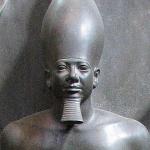
Menkaure, also known as Mycerinus in Greek, was an ancient Egyptian pharaoh who ruled during the Fourth Dynasty of the Old Kingdom, around 2510–2480 BCE. He was the son of Khafre and the grandson of Khufu, both of whom built the two largest pyramids at Giza. Menkaure is best known for constructing the third and smallest of the three main pyramids at Giza, the Pyramid of Menkaure. His reign marked a period of relative stability and prosperity in Egypt, though it was shorter than those of his predecessors. Menkaure is also celebrated for the exquisite statues discovered in his valley temple, particularly the famous dyad and triad statues depicting him with the goddess Hathor and various nome deities. These statues are considered masterpieces of Old Kingdom art. Little is known about his personal life, but he is believed to have had several wives, including Queen Khamerernebty II. Menkaure’s death is not well-documented, but he was likely buried in his pyramid at Giza.
Historical Context
Menkaure ruled during the height of the Old Kingdom, a period often referred to as the "Age of the Pyramids." The Fourth Dynasty was characterized by centralized power, monumental architecture, and a strong bureaucracy that facilitated large-scale construction projects. The pyramids of Giza, built by Menkaure and his predecessors, symbolized the pharaoh’s divine authority and the state’s ability to mobilize resources. Menkaure’s pyramid, though smaller than those of Khufu and Khafre, reflected a shift toward more modest royal burials, possibly due to economic constraints or changing religious practices. His reign also saw the continuation of Egypt’s trade networks and diplomatic relations with neighboring regions, such as Nubia and the Levant. Menkaure’s legacy is significant as he represents the tail end of the golden age of pyramid-building, a defining feature of ancient Egyptian civilization.
Beliefs
Menkaure, like all pharaohs, was considered a divine ruler, the intermediary between the gods and the people. The Old Kingdom pharaohs believed in the afterlife and the importance of preparing for it through monumental tombs and funerary rituals. Menkaure’s pyramid and associated temples were designed to ensure his safe passage into the afterlife and his eternal rule. The statues found in his valley temple, depicting him with deities like Hathor, emphasize his divine connection and the religious syncretism of the time. These statues also reflect the belief in the pharaoh’s role as a unifier of Egypt, both geographically and spiritually.
Key Achievements
- Construction of the Pyramid of Menkaure: Built the third and smallest of the three main pyramids at Giza, showcasing advanced engineering and architectural skills.
- Valley Temple Statues: Commissioned exquisite statues, including the famous dyad and triad statues, which are masterpieces of Old Kingdom art and provide insight into royal iconography.
- Stabilization of the Fourth Dynasty: Maintained political stability and economic prosperity during his reign, ensuring the continuity of Egypt’s centralized power.
- Religious and Cultural Contributions: Reinforced the pharaoh’s divine status through religious art and architecture, solidifying the connection between the monarchy and the gods.
- Diplomatic and Trade Relations: Continued Egypt’s engagement with neighboring regions, fostering trade and diplomatic ties that strengthened the kingdom’s economy and influence.