Links
Life events
Wikipedia ↗
Wikipedia ↗
Wikipedia ↗
Wikipedia ↗
Wikipedia ↗
Wikipedia ↗
Wikipedia ↗
Article
Life Summary
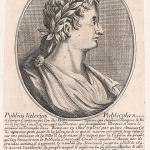
Publius Valerius Publicola (died 503 BCE) was a Roman statesman and one of the most prominent figures in the early Roman Republic. He is traditionally credited as one of the four leaders who overthrew the last Roman king, Lucius Tarquinius Superbus, in 509 BCE, marking the end of the Roman monarchy and the beginning of the Republic. Born into the Valerii, a patrician family, Publicola played a crucial role in the political and military foundations of the new republic.
After the expulsion of Tarquin, Publicola served as one of the first consuls of Rome alongside Lucius Junius Brutus. His leadership was instrumental in defending Rome against external threats, including the forces of the deposed king, who sought to regain power. Publicola is also remembered for his legislative reforms, which aimed to reduce the power of the aristocracy and strengthen the rights of the common people (plebeians). He died in 503 BCE, leaving behind a legacy as a defender of Roman liberty and republican ideals.
Historical Context
The early Roman Republic (509–27 BCE) was a period of significant transformation, as Rome transitioned from a monarchy to a republican system of government. The overthrow of Tarquin the Proud was a defining moment, driven by widespread discontent with the king’s tyranny and the desire for a more representative form of governance. Publicola emerged as a key figure in this transition, embodying the values of the new republic: civic duty, equality before the law, and resistance to tyranny.
This era was marked by constant warfare, as Rome sought to defend itself against neighboring tribes and the exiled Tarquin’s attempts to reclaim power. Publicola’s leadership was critical in securing Rome’s survival during these turbulent times. His reforms, such as the Lex Valeria de provocatione, which granted citizens the right to appeal to the people against arbitrary punishments by magistrates, laid the groundwork for the Roman legal system and the concept of civic rights. Publicola’s life and career reflect the broader struggles of the early Republic to establish stability, justice, and a balance of power between the patricians and plebeians.
Beliefs
Publicola was a staunch advocate for republicanism and the rule of law. He believed in the importance of limiting the power of individual leaders to prevent tyranny, a principle that became a cornerstone of the Roman Republic. His legislative reforms demonstrate his commitment to protecting the rights of Roman citizens, particularly the plebeians, and ensuring that no single individual or group could dominate the political landscape. Publicola’s actions suggest a belief in the collective governance of Rome, where power was shared among elected officials and the people had a voice in their own affairs.
Key Achievements
- Overthrow of the Monarchy: Played a pivotal role in the expulsion of King Tarquin the Proud in 509 BCE, helping to establish the Roman Republic.
- Consulship: Served as one of the first consuls of Rome, setting a precedent for the republican system of government.
- Legislative Reforms: Introduced laws such as the Lex Valeria de provocatione, which allowed citizens to appeal capital sentences to the people, a foundational step in Roman legal rights.
- Military Leadership: Successfully defended Rome against the forces of the deposed king Tarquin and his allies, securing the early Republic’s survival.
- Architectural Contributions: Commissioned the construction of the Temple of Jupiter Optimus Maximus on the Capitoline Hill, a symbol of Rome’s religious and political identity.
- Promotion of Civic Equality: Advocated for policies that reduced the power of the patrician class and increased the rights of plebeians, fostering a more inclusive political environment.
- Diplomatic Efforts: Strengthened Rome’s alliances with neighboring Latin cities, enhancing the Republic’s security and influence in the region.