Links
Life events
Wikipedia ↗
Wikipedia ↗
Wikipedia ↗
Wikipedia ↗
Wikipedia ↗
Wikipedia ↗
Wikipedia ↗
Wikipedia ↗
Article
Life Summary
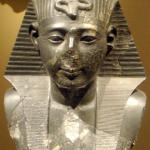
Menmaatre Seti I, also known as Sethos I, was the second pharaoh of the Nineteenth Dynasty of Egypt, ruling from approximately 1290 to 1279 BCE. He was the son of Ramesses I and Queen Sitre. Seti I ascended to the throne following his father's brief reign and is renowned for his military campaigns aimed at restoring Egyptian influence in Syria and Palestine, which had waned during the late Eighteenth Dynasty. His reign marked a period of resurgence for Egypt, both militarily and architecturally. Seti I undertook extensive building projects, including the construction of the Great Hypostyle Hall at Karnak and his mortuary temple at Abydos. He also initiated the excavation of the tomb KV17 in the Valley of the Kings, which is one of the most beautifully decorated tombs in the valley. Seti I died around 1279 BCE and was succeeded by his son, Ramesses II.
Historical Context
Seti I ruled during the New Kingdom period of Ancient Egypt, a time characterized by Egypt's peak of power and prosperity. The Nineteenth Dynasty saw a revival of Egyptian military strength and cultural achievements following the religious upheavals of the Amarna Period under Akhenaten. Seti I's reign was crucial in re-establishing Egypt's dominance in the Levant and Nubia, countering the growing influence of the Hittite Empire. His military campaigns and diplomatic efforts laid the groundwork for the later famous Battle of Kadesh under his son Ramesses II. Seti I's focus on monumental construction reflected the pharaoh's role as a divine ruler and his desire to legitimize his dynasty's claim to the throne. His reign is often seen as a bridge between the foundational work of his father, Ramesses I, and the long, prosperous rule of his son, Ramesses II.
Beliefs
Seti I, like other pharaohs, was considered a divine intermediary between the gods and the people. He upheld the traditional Egyptian polytheistic religion, emphasizing the worship of Amun-Ra, the king of the gods. Seti I's building projects, particularly at Karnak and Abydos, were not only demonstrations of his piety but also served to reinforce the religious and political order. His temple at Abydos, dedicated to Osiris, highlighted the importance of the Osirian cult and the afterlife beliefs central to Egyptian religion. Seti I's reign saw a return to the orthodox religious practices that had been disrupted during the Amarna Period, reinforcing the traditional roles of the priesthood and the cult of the pharaoh.
Key Achievements
- Military Campaigns: Successfully led military expeditions into Syria, Palestine, and Libya, reasserting Egyptian control and influence in these regions.
- Battle Against the Hittites: Conducted campaigns against the Hittites, securing Egyptian borders and setting the stage for future conflicts and treaties under Ramesses II.
- Great Hypostyle Hall at Karnak: Initiated the construction of the Great Hypostyle Hall, one of the most impressive architectural achievements of ancient Egypt, featuring 134 massive columns.
- Mortuary Temple at Abydos: Built a beautifully decorated temple at Abydos, dedicated to Osiris and other deities, showcasing intricate reliefs and inscriptions.
- Tomb KV17: Commissioned one of the most elaborately decorated tombs in the Valley of the Kings, featuring detailed scenes from the 'Book of the Dead' and other religious texts.
- Restoration Projects: Undertook extensive restoration of temples and monuments that had been neglected or damaged during the Amarna Period, reinforcing traditional religious practices.
- Diplomatic Relations: Strengthened diplomatic ties and trade relations with neighboring regions, enhancing Egypt's economic and political stability.