Links
Life events
Wikipedia ↗
Wikipedia ↗
Wikipedia ↗
Wikipedia ↗
Wikipedia ↗
Wikipedia ↗
Wikipedia ↗
Wikipedia ↗
Wikipedia ↗
Article
Life Summary
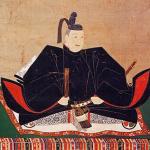
Tokugawa Hidetada was born on May 2, 1579, as the third son of Tokugawa Ieyasu, the founder of the Tokugawa shogunate. He was initially overlooked for succession in favor of his elder brothers, but after their deaths, he became the heir apparent. Hidetada participated in several military campaigns alongside his father, including the pivotal Battle of Sekigahara in 1600, which solidified Tokugawa control over Japan. In 1605, Ieyasu abdicated in favor of Hidetada, though he continued to wield significant influence behind the scenes. Hidetada officially became the second shogun of the Tokugawa shogunate, ruling from 1605 until his retirement in 1623. He further strengthened the shogunate's authority by centralizing power, enforcing the alternate attendance system (sankin-kōtai), and suppressing Christian influence in Japan. Hidetada died on March 14, 1632, leaving behind a stabilized and increasingly isolated Japan under Tokugawa rule.
Historical Context
Tokugawa Hidetada ruled during a transformative period in Japanese history, known as the Edo period (1603–1868). This era followed the Sengoku period, a time of near-constant civil war, and was marked by the Tokugawa shogunate's efforts to unify and stabilize Japan. Hidetada's reign was crucial in consolidating the power structures established by his father, Tokugawa Ieyasu. The Tokugawa shogunate implemented policies that enforced strict social hierarchies, limited foreign influence, and promoted domestic peace. Hidetada's suppression of Christianity and enforcement of isolationist policies (sakoku) set the stage for Japan's self-imposed seclusion from the outside world for over two centuries. His leadership ensured the longevity of the Tokugawa shogunate, which would rule Japan until the Meiji Restoration in 1868.
Beliefs
Tokugawa Hidetada adhered to the Neo-Confucian principles that were becoming increasingly influential in Japan during his time. He supported the Tokugawa shogunate's policies of social order, hierarchy, and loyalty, which were rooted in Confucian ideals. Hidetada was also deeply suspicious of Christianity, viewing it as a threat to Japanese stability and cultural integrity. His anti-Christian policies, including the expulsion of missionaries and the persecution of Japanese Christians, reflected his belief in preserving Japan's traditional values and maintaining control over foreign influences.
Key Achievements
- Consolidation of Tokugawa Power: Hidetada played a key role in securing Tokugawa dominance after the Battle of Sekigahara, ensuring the shogunate's control over Japan.
- Establishment of the Alternate Attendance System (Sankin-kōtai): This policy required daimyo (feudal lords) to spend alternating years in Edo (modern-day Tokyo), weakening their power and strengthening central authority.
- Suppression of Christianity: Hidetada enforced strict anti-Christian policies, including the expulsion of foreign missionaries and the persecution of Japanese Christians, culminating in the Shimabara Rebellion (1637–1638).
- Centralization of Government: He further centralized the shogunate's administrative structures, reducing the autonomy of regional lords and solidifying Tokugawa control.
- Promotion of Neo-Confucianism: Hidetada supported the adoption of Neo-Confucian principles, which became the ideological foundation of the Tokugawa shogunate.
- Stabilization of Japan: His policies contributed to over two centuries of relative peace and stability in Japan, known as the Pax Tokugawa.