Links
Life events
Wikipedia ↗
Wikipedia ↗
Wikipedia ↗
Wikipedia ↗
Wikipedia ↗
Wikipedia ↗
Wikipedia ↗
Wikipedia ↗
Article
Life Summary
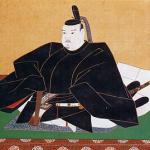
Tokugawa Iemitsu was born on August 12, 1604, as the eldest son of Tokugawa Hidetada, the second shogun of the Tokugawa shogunate, and grandson of Tokugawa Ieyasu, the founder of the dynasty. From an early age, Iemitsu was groomed for leadership, though his younger brother Tadanaga initially seemed favored. Iemitsu became the third shogun in 1623 at the age of 19, following his father's abdication. His early reign was marked by political intrigue, including the forced suicide of his brother Tadanaga in 1633, which consolidated his power.
Iemitsu's rule was characterized by a strict and authoritarian approach. He further centralized the shogunate's control over Japan's feudal lords (daimyo) through the enforcement of the sankin-kotai system, requiring daimyo to alternate their residence between their domains and Edo (modern-day Tokyo). This policy not only strengthened the shogunate's authority but also stimulated economic growth through the development of infrastructure and trade routes.
One of Iemitsu's most significant and enduring policies was the implementation of sakoku, or Japan's isolation policy, beginning in the 1630s. This policy restricted foreign influence and trade, allowing only limited contact with the Dutch and Chinese through the port of Nagasaki. Iemitsu's reign also saw the suppression of Christianity in Japan, including the brutal Shimabara Rebellion in 1637-1638, which led to the expulsion of Portuguese traders and the prohibition of Christianity.
Tokugawa Iemitsu died on June 8, 1651, at the age of 46. He was succeeded by his eldest son, Tokugawa Ietsuna, who continued his policies and maintained the stability of the Tokugawa shogunate.
Historical Context
Tokugawa Iemitsu ruled during the early Edo period (1603-1868), a time of relative peace and stability in Japan following centuries of civil war. The Tokugawa shogunate, established by his grandfather Tokugawa Ieyasu, had unified Japan under a centralized feudal system. Iemitsu's reign was pivotal in solidifying this system and shaping Japan's political and cultural landscape for over two centuries.
The early 17th century was a period of global exploration and colonial expansion, with European powers such as Portugal, Spain, and the Netherlands seeking to establish trade and religious influence in Asia. Iemitsu's isolation policy was a response to these external pressures, particularly the spread of Christianity, which he viewed as a threat to Japan's social and political order. By restricting foreign contact, Iemitsu aimed to preserve Japan's sovereignty and cultural identity.
Iemitsu's policies had a profound and lasting impact on Japan. The sankin-kotai system fostered economic development and urbanization, particularly in Edo, which grew into one of the world's largest cities. The isolation policy, while limiting Japan's engagement with the outside world, allowed for the development of a unique and vibrant domestic culture, including the flourishing of arts such as kabuki, ukiyo-e, and haiku poetry.
Beliefs
Tokugawa Iemitsu was a devout follower of Neo-Confucianism, which emphasized loyalty, hierarchy, and social order. These principles guided his governance and policies, particularly his efforts to maintain the shogunate's authority and suppress dissent. Iemitsu viewed Christianity as a subversive influence that threatened Japan's traditional values and social structure, leading to its prohibition and the persecution of its followers.
Iemitsu also believed in the divine right of the Tokugawa family to rule Japan. He saw himself as the guardian of Japan's stability and cultural heritage, and his policies were designed to protect and perpetuate the Tokugawa shogunate's dominance.
Key Achievements
- Centralization of Power: Strengthened the Tokugawa shogunate's control over Japan's feudal lords through the sankin-kotai system, which required daimyo to alternate their residence between their domains and Edo.
- Isolation Policy (Sakoku): Implemented Japan's isolation policy in the 1630s, restricting foreign trade and influence to preserve Japan's sovereignty and cultural identity.
- Suppression of Christianity: Enforced the prohibition of Christianity in Japan, including the expulsion of Portuguese traders and the suppression of the Shimabara Rebellion (1637-1638).
- Economic Development: Stimulated economic growth through the development of infrastructure, trade routes, and urbanization, particularly in Edo.
- Cultural Flourishing: Fostered the development of a unique and vibrant domestic culture during the Edo period, including the arts of kabuki, ukiyo-e, and haiku poetry.
- Stability and Peace: Maintained the stability and peace of the Tokugawa shogunate, which lasted for over 250 years.
- Legal Reforms: Established legal codes and administrative systems that strengthened the shogunate's governance and control over Japan.
- Foreign Relations: Managed limited but strategic foreign relations, allowing trade with the Dutch and Chinese through the port of Nagasaki while restricting other foreign influences.