Links
Life events
Wikipedia ↗
Wikipedia ↗
Wikipedia ↗
Wikipedia ↗
Wikipedia ↗
Wikipedia ↗
Wikipedia ↗
Article
Life Summary
Urukagina (also spelled Uruinimgina) was a ruler of the ancient Sumerian city-state of Lagash in Mesopotamia, reigning around 2380–2360 BCE. Little is known about his early life, but he rose to power during a period of social unrest and economic inequality. He is best remembered for his sweeping legal and administrative reforms, which he claimed were divinely inspired by the god Ningirsu. These reforms aimed to curb the abuses of the elite, reduce corruption among priests and officials, and protect the rights of the poor and vulnerable. Urukagina’s reign ended when Lagash was conquered by Lugalzagesi, the king of Umma, marking the decline of Lagash’s independence. His death is not well-documented, but he is believed to have died shortly after the fall of his city.
Historical Context
Urukagina ruled during the Early Dynastic Period of Mesopotamia, a time of intense competition and conflict among the city-states of Sumer. Lagash, one of the most powerful cities, was plagued by social and economic inequality, with the ruling class and temple officials exploiting the lower classes. Urukagina’s reforms were a response to this crisis, making him one of the earliest known rulers to address systemic corruption and social injustice. His reign is significant because it provides one of the first recorded examples of legal and administrative reforms aimed at protecting the common people. Though his efforts were ultimately undone by military conquest, his reforms remain a landmark in the history of governance and human rights.
Beliefs
Urukagina’s reforms were deeply rooted in religious and moral beliefs. He claimed that his laws were ordained by the god Ningirsu, reflecting the Sumerian belief that rulers were divinely appointed to uphold justice. He sought to restore balance and fairness in society, emphasizing the protection of widows, orphans, and the poor. His reforms also targeted the excesses of the temple and palace officials, suggesting a belief in the need for humility and service among the elite. While his motivations were likely a mix of genuine moral concern and political strategy, his actions reflect a belief in the responsibility of rulers to ensure justice and equity.
Key Achievements
- Legal Reforms: Enacted one of the earliest known legal codes to reduce corruption and protect the poor, predating Hammurabi’s Code by nearly 300 years.
- Reduction of Taxes and Fees: Eliminated oppressive taxes and fees imposed by temple and palace officials on the common people.
- Protection of Vulnerable Groups: Introduced laws to safeguard widows, orphans, and the poor from exploitation by the wealthy and powerful.
- Curbing Corruption: Dismantled the system of bribes and extortion that had become rampant among priests and officials.
- Religious Reforms: Restored the authority of the city’s patron god, Ningirsu, and reduced the influence of corrupt temple officials.
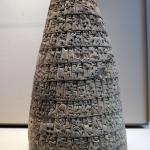
- Documentation of Reforms: Left behind inscriptions detailing his reforms, providing valuable historical records of early governance and social justice efforts.
- Economic Relief: Reduced the financial burden on citizens by abolishing fees for basic services, such as burials and legal proceedings.
- Symbolic Leadership: Positioned himself as a champion of the people, setting a precedent for rulers to prioritize the welfare of their subjects.